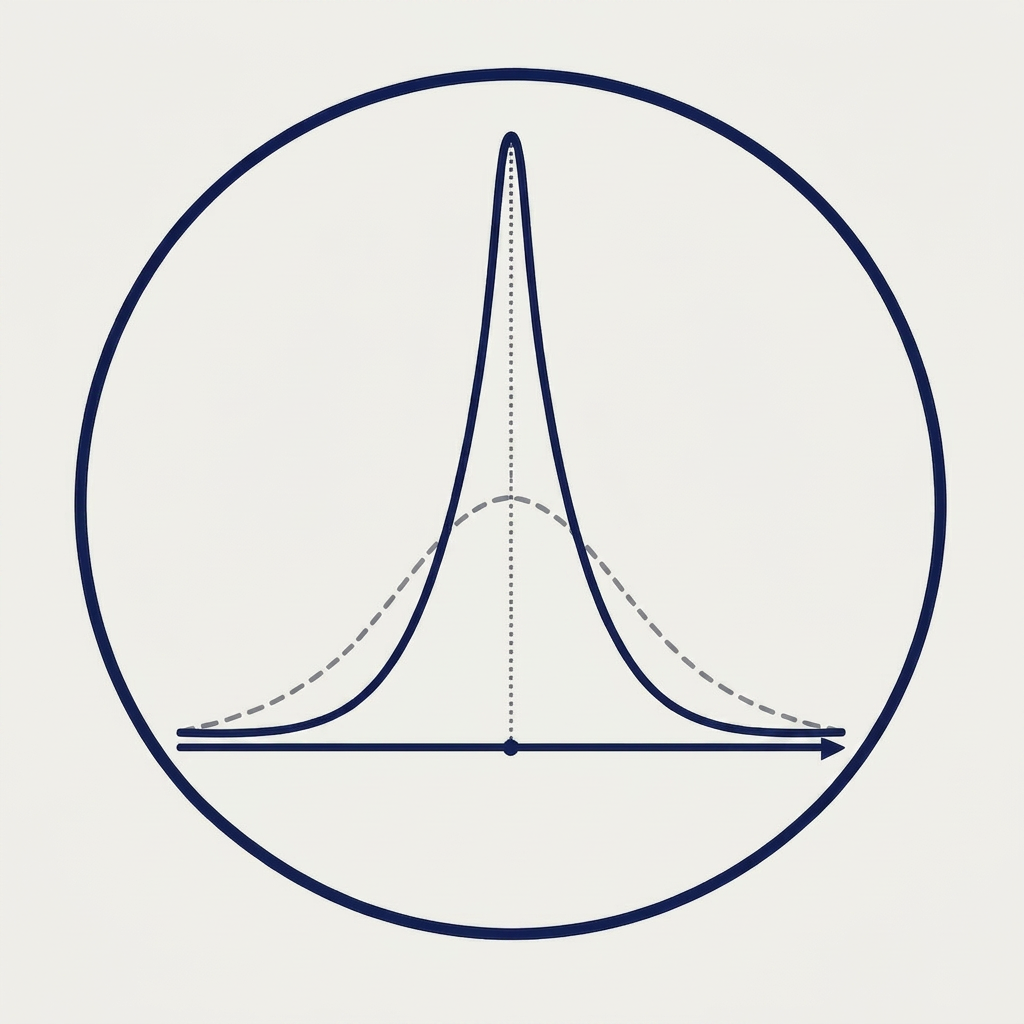
The consumer price distribution skewed even more positively in September, pushing the all-items CPI up 7.8% (annualized). However, an accelerated rise in prices was evident across the distribution of consumer price changes for the month. The trimmed-mean CPI jumped 3.5% (annualized) during the month, while the Median CPI accelerated to 2.8% (a.r.). The October CPI report is scheduled for November 14.
By every measure, consumer prices accelerated in September. Most notably, the median CPI and the trimmed-mean CPI posted increases of 3.5% and 2.8%, respectively (monthly, a.r.)–each about 3/4 percentage point above their August reads. On average since July, the trimmed-mean CPI and the Median CPI are above target levels at 3% and 2.7%, respectively.
Like the earlier reported CPI, PCE inflation accelerated to 3.7 percent (annualized) in August, as did the core inflation measure (3.0 percent). The trimmed PCE inflation estimators were better behaved. Trimmed-mean PCE inflation came in at 1.9 percent for the month, and median PCE inflation was 2.3 percent. Over the past three months, PCE inflation is 1.0 percent (a.r.), and core PCE inflation is 2.0 percent (a.r.). Trimmed-mean and median PCE inflation were 1.8 percent and 2.3 percent, respectively, over the period. The next PCE price report is scheduled for Oct. 29.
Posts
For Post suggestions, please email an administrator listed at the bottom of the page.
-
The Economist Makes the Case for Trimmed-Mean Inflation Measures, and Chairman Warsh Should Listen
In a recent opinion piece (“How the Fed Should Measure Inflation,” Sept. 24, 2026), The Economist revisits a familiar cautionary story. Under Chairman Arthur Burns, the Federal Reserve routinely set aside “special factors” in the inflation data in search of the one true inflation rate. That practice led the Fed to underestimate the emerging inflation threat in the 1970s.
Chairman Warsh appears determined to avoid repeating that mistake and seems to favor trimmed-mean measures of inflation. The Economist urges him to embrace them, and I agree.
Trimmed-mean estimators apply a consistent statistical rule, discarding the most extreme price movements each period, and so avoid Burns’s error: they don’t rely on judgment calls about which price changes to ignore.
My thanks to The Economist for acknowledging Steve’s and my founding research on the approach.
Recent Posts
- The Economist Makes the Case for Trimmed-Mean Inflation Measures, and Chairman Warsh Should Listen
- Lots of CPI Numbers To Look at Today–How Should You Weigh Them?
- Addressing Two Types of Bias in Inflation Estimation: A Lesson from Governor Waller’s Three-Good Economy
- Inflation Now vs. Inflation Then: Why the 12-Month Trend Leaves Us in the Dark
- Rupert Gets It
- Seeking Alpha Isn’t Impressed by the Trimmed-Mean PCE Measure — But Their Reasons Don’t Add Up.
- Chairman Warsh Announces Inflation Frameworks Task Force
- Asymmetric Median Inflation? Of Course! And Ball and Co-authors Made ‘Em.
- Are We Trimming Away Evidence of Future Inflation?
- Should a Central Bank “Target” Trimmed-Mean Estimators of Inflation?
Frequently Asked Questions
What is a “trimmed-mean estimator”?
What is the advantage of a trimmed-mean estimate of inflation?
What accounts for the fat-tails of price-change distributions?
Is the trimmed-mean estimator “core” inflation?
What is “asymmetric” trimming?
Why are some price change distributions asymmetric?
Should the trimmed-mean estimator be the target of a central bank?
Essential Data Resources
Median CPI — Cleveland Fed
The Cleveland Fed’s measure of the median component of monthly CPI inflation — a robust alternative to trimmed-mean approaches for filtering out extreme price changes.
Sticky Price CPI — Atlanta Fed
CPI components that change price infrequently, which tend to incorporate expectations more heavily and are closely watched by the Fed.
FRED — St. Louis Fed
The St. Louis Fed’s comprehensive economic data repository, with thousands of time series including all major inflation measures.
Underlying Inflation Dashboard — Atlanta Fed
An interactive dashboard tracking multiple measures of underlying inflation — trimmed mean, sticky price, and median CPI — to give a fuller picture of inflation trends.
Trimmed Mean PCE — Dallas Fed
The Dallas Fed’s trimmed mean PCE inflation rate, calculated by removing the most extreme price movements from the PCE index each month — one of the Fed’s preferred core inflation gauges.
Consumer Price Index–Bureau of Labor Statistics
Source data for the construction of the CPI and much of the PCE price Index.

About
This is a website about efficient inflation estmators and measures of core inflation. It draws heavily from the early work of Bryan and Cecchetti.

Michael F. Bryan
Michael F. Bryan is a former Vice President and Senior Economist at the Federal Reserve Bank of Atlanta, after earlier positions at the Federal Reserve Bank of Cleveland. He is one of the pioneers of trimmed-mean inflation measurement and co-originator of the methodology with Stephen Cecchetti. He has served on the faculty of Baldwin Wallace College, Cleveland State University, the University of Chicago, Emory University, and the University of South Carolina.
Email: mikefbryan@gmail.com

Stephen G. Cecchetti
Stephen G. Cecchetti is the Rosen Family Chair in International Finance at Brandeis University’s International Business School. He previously served as Economic Adviser and Head of the Monetary and Economic Department at the Bank for International Settlements (BIS), and as Director of Research at the Federal Reserve Bank of New York. He is widely recognized for his foundational work on trimmed-mean inflation estimators.
Email: steve.cecchetti@gmail.com